
10 Ways Pope Francis Changed the Vatican (and the World)
June 9, 2026
When Pope Francis was elected in 2013, he became a history-maker overnight: the first pope from the Americas, the first Jesuit pope, and the first non-European pontiff in more than 1,200 years. During his 12-year papacy, he reshaped the image of the Catholic Church through a combination of humility, reform, and a renewed focus on compassion.
Whether you’re planning to visit Vatican City or simply want to understand the legacy of one of the most influential religious leaders of the 21st century, many of the changes introduced by Pope Francis can still be seen throughout the Vatican today.
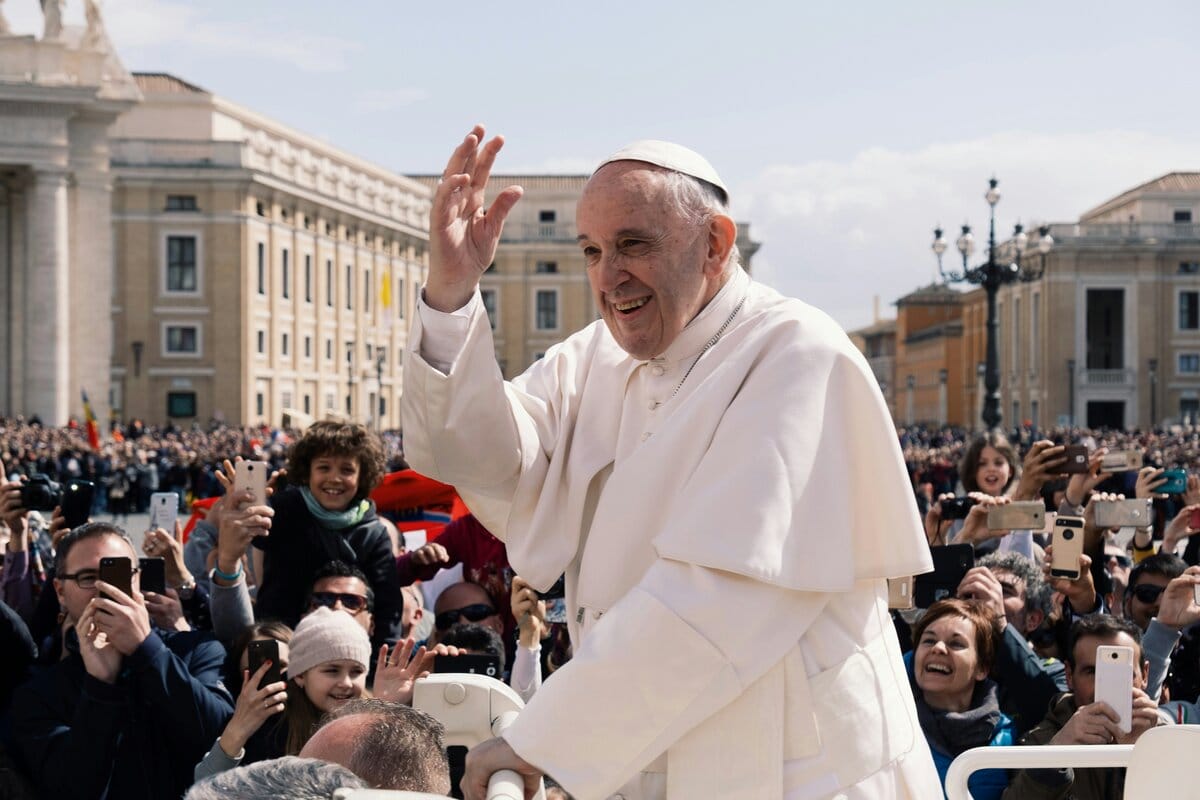
A smiling Pope Francis greeting adoring fans while riding in the pope mobile in Rome.
10 Ways Pope Francis Changed the Vatican
1. He Made Humility the Symbol of the Papacy
Pope Francis chose his name in honor of St. Francis of Assisi, as a reminder to never forget the poor and a sign of his commitment and concern for the well being of the poor. As a result, he immediately eschewed luxury in favor of a more humble and collegial approach to his papacy.
On the night of his election he returned back to the hotel on the bus with the other cardinals, rather than in the papal car and he decided against living in the lavish Apostolic Palace, living instead in a Casa Santa Marta guesthouse.
He regularly travelled in modest vehicles and favoured simple clothing, reinforcing his belief that the Church should serve rather than rule.
2. He Put the Poor at the Centre of the Church
Inspired by St. Francis of Assisi, Pope Francis consistently called on Catholics to care for refugees, migrants, and those living in poverty. His actions helped redefine the Vatican’s public image around service and compassion.
3. He Opened Dialogue with Science
Pope Francis embraced scientific discovery, stating that evolution and the Big Bang are compatible with faith rather than contradictory.
The Big Bang Theory, Pope Francis said, “does not contradict the creative intervention of God…On the contrary, it requires it.” For him, science answers “how” and religion focuses on the “why.”
His environmental encyclical Laudato Si’ also became one of the Church’s most influential modern documents on climate change.
4. He Changed the Tone Towards LGBTQ+ Catholics
Although Church doctrine remained unchanged, Pope Francis adopted a noticeably more welcoming language, famously asking, “Who am I to judge?” His approach encouraged dialogue and inclusion while maintaining traditional teachings.
While gay marriage is still adamantly ruled out, the meeting signified a more open approach to homosexual families, declaring that gay people be “welcomed with respect and delicacy.” A separate message from the bishops delivered to Christian families said: “Christ wanted his church to be a house with the door always open to welcome everyone, without excluding anyone.”
5. He Expanded the Global Face of the Vatican
Throughout his papacy, Francis appointed cardinals from countries that had rarely been represented before, including nations across Africa, Asia, and Oceania, making Church leadership more reflective of its worldwide congregation.
Pope Francis appointed 20 new cardinals from all over the world, changing the face of the Catholic Church, literally as well as figuratively. The new cardinals from places like Tonga, Myanmar and Colombia, represent large swatches of today’s Christians and add a plurality of voices in the ever-homogeneous Vatican City.
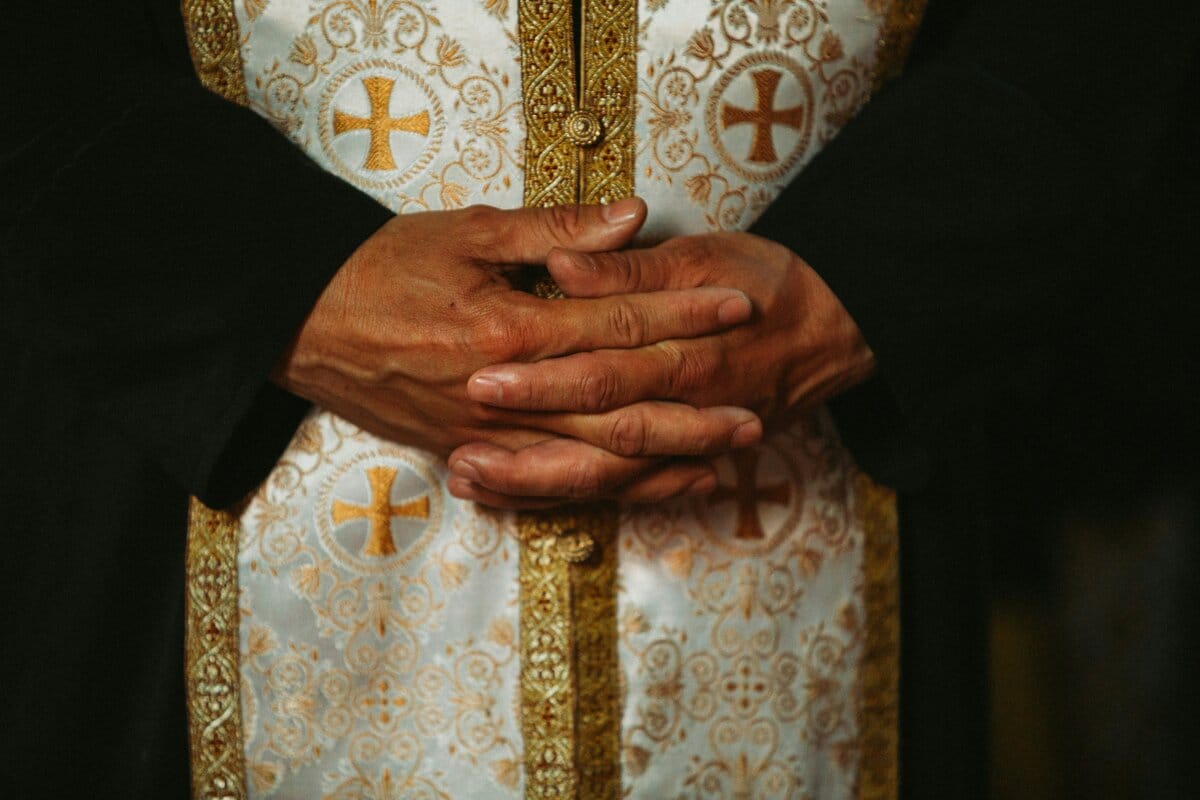
Pope Francis appointed 20 new cardinals from all over the world
6. He Reformed Vatican Finances
Francis introduced greater financial oversight, created new economic departments, and strengthened transparency measures within Vatican institutions, addressing long-standing concerns about accountability.
He has focused on imposing fiscal discipline in the city-state by creating a new Secretariat for the Economy. He abolished the bonuses paid to Vatican employees after the election of a new pope, donating the money to charity instead and also cut out the 25,000 euro annual bonus paid to cardinals on the Board of Supervisors for the Vatican bank.
7. He Simplified the Image of the Papacy
Gone were many of the elaborate traditions associated with previous pontiffs. Francis preferred simple liturgies, smaller personal quarters, and direct interactions with pilgrims, making the papacy feel more accessible.
8. He Reformed the Roman Curia
One of his longest-lasting achievements was the restructuring of the Vatican’s central administration. The reforms aimed to improve efficiency, reduce bureaucracy, and place evangelization at the heart of Church governance.
9. He Changed How Millions Viewed the Catholic Church
Perhaps Pope Francis’ greatest legacy was cultural rather than structural. His emphasis on mercy, dialogue, environmental responsibility, and social justice reached far beyond practising Catholics and reshaped global perceptions of the Vatican.
10. He Opened More of Vatican City to Visitors
During his papacy, increased efforts were made to share Vatican treasures with the public, while nearby sites such as the Castel Gandolfo palace and gardens, once reserved as the papal summer residence, became major visitor attractions.
Insider tip: For a unique look at artefacts of past pope´s, and a great day out of the city, visit Castel Gandolfo – the palace and gardens which were previously the private summer residence of the pope.
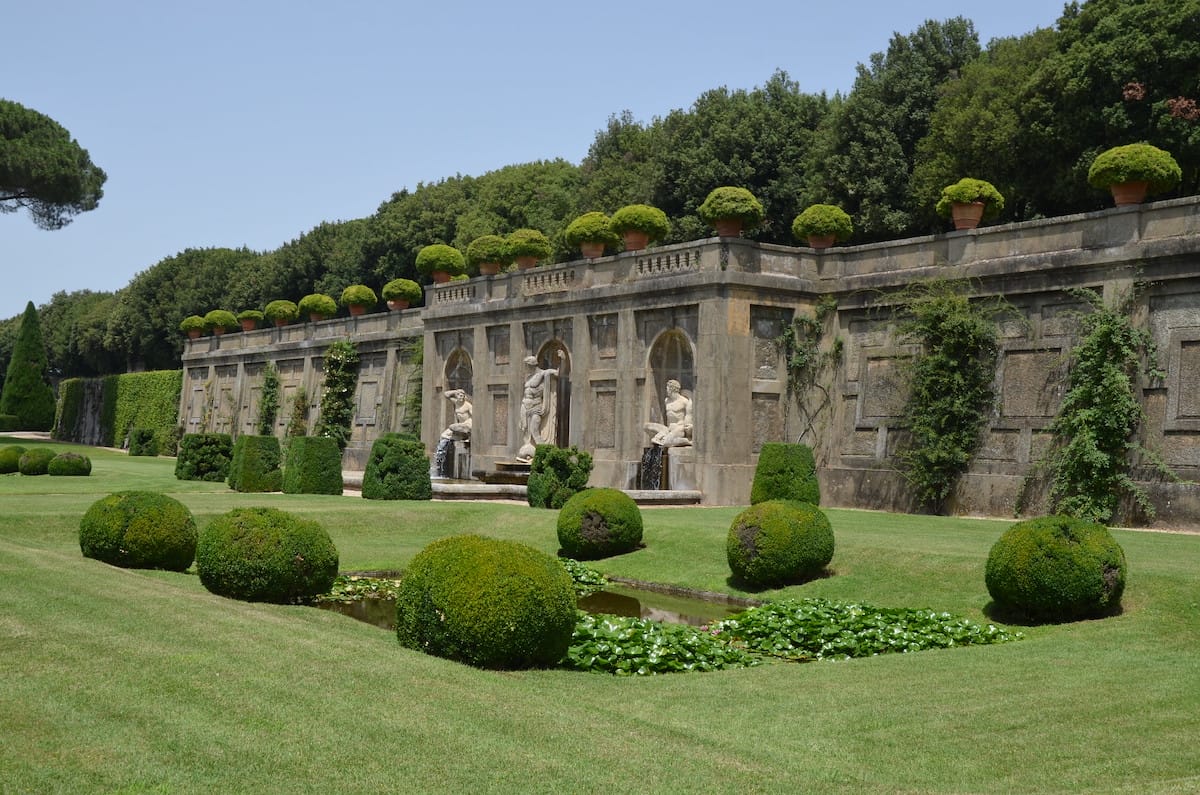
Castel Gandolfo – historically the summer palace of the pope – is now open to the public. Photo credit: Carole Raddato
A New Chapter: Pope Leo XIV
Following the death of Pope Francis in 2025, the Catholic Church entered a new era with the election of Pope Leo XIV.
Chosen by the College of Cardinals during the papal conclave in Vatican City, he became the first pope from the United States and the 267th successor to St. Peter. By selecting the name Leo, he signaled a desire to build on the Church’s rich traditions while addressing the challenges of the modern world.
As the new spiritual leader of more than a billion Catholics, Pope Leo XIV now leads the Vatican into its next chapter, inheriting many of the reforms and priorities established during Pope Francis’ papacy while bringing his own vision and leadership to the role.
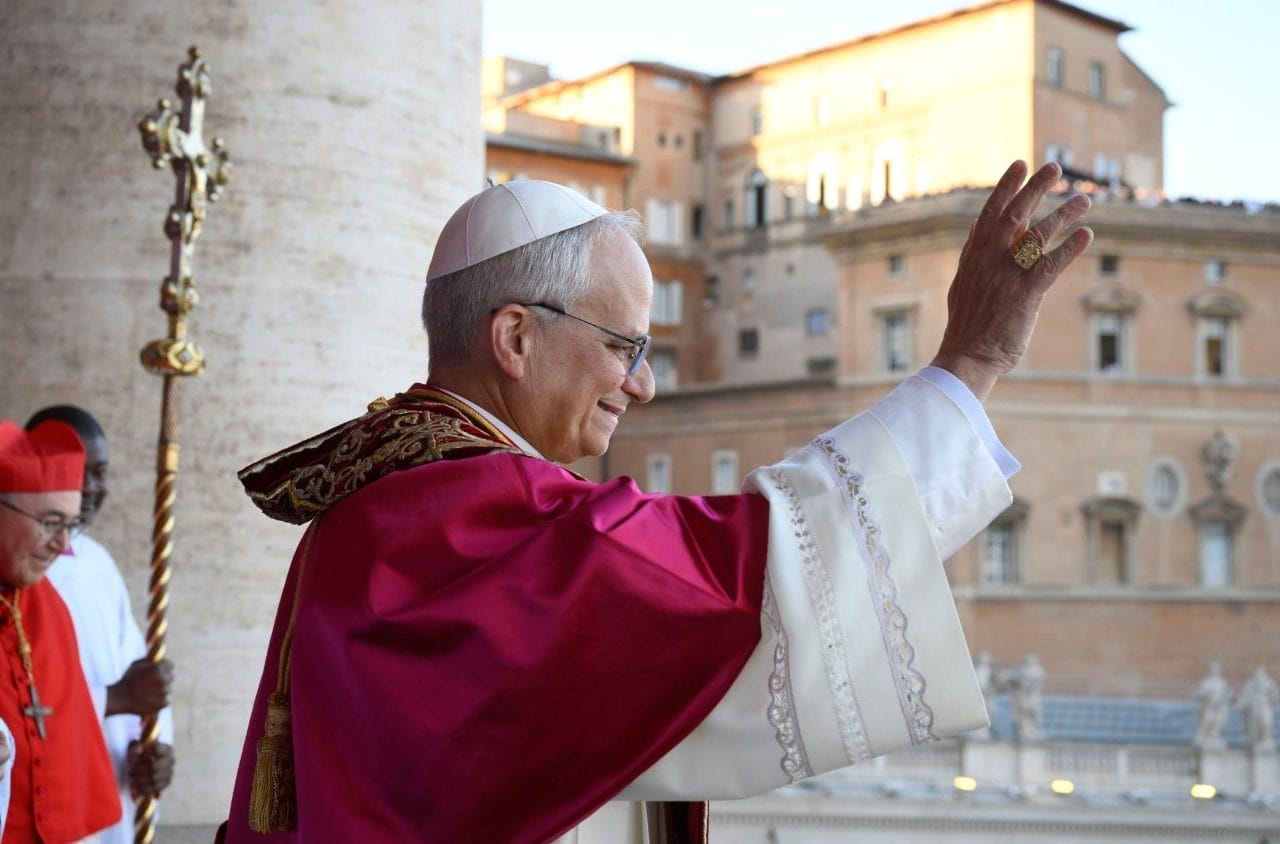
Pope Leo XIV appears on the balcony of St. Peter’s Basilica. Photo credit: Vatican Media
Can You Still Meet the Pope When You Visit Vatican City?
Papal Audiences
General Papal Audiences are usually held every Wednesday when the Pope is in Rome, giving visitors the opportunity to see the Holy Father and receive his Apostolic Blessing.
Tickets are free but should be requested in advance, and seating is allocated on a first-come, first-served basis, so arriving early is highly recommended. Most audiences take place in St. Peter’s Square and currently begin at 10:00 a.m. During colder months or in bad weather, they may be moved to the Paul VI Audience Hall. Visitors should allow plenty of time for security screening and follow the directions of Vatican staff, as entry points can vary depending on the event.
For the latest schedule, ticket information, and any last-minute changes, always consult the official Papal Audience website before your visit.
Sunday Angelus
When the Pope is in Rome, visitors can also attend the traditional Sunday Angelus in St. Peter’s Square.
At 12:00 noon, the Pope delivers a short reflection on the Gospel, leads the Angelus prayer (or the Regina Caeli during the Easter season), and imparts his Apostolic Blessing to the thousands gathered below. No ticket is required, making it one of the easiest ways to see the Pope during a visit to Vatican City.
Insider tip: You must wear respectful clothes to the Papal Audience. Shoulders should be covered and shorts/skirts should fall at the knee. Check our handy advice on the Vatican dress code if you intend to join the papal audience, visit the Vatican Museums, St Peter´s Basilica or Sistine Chapel.
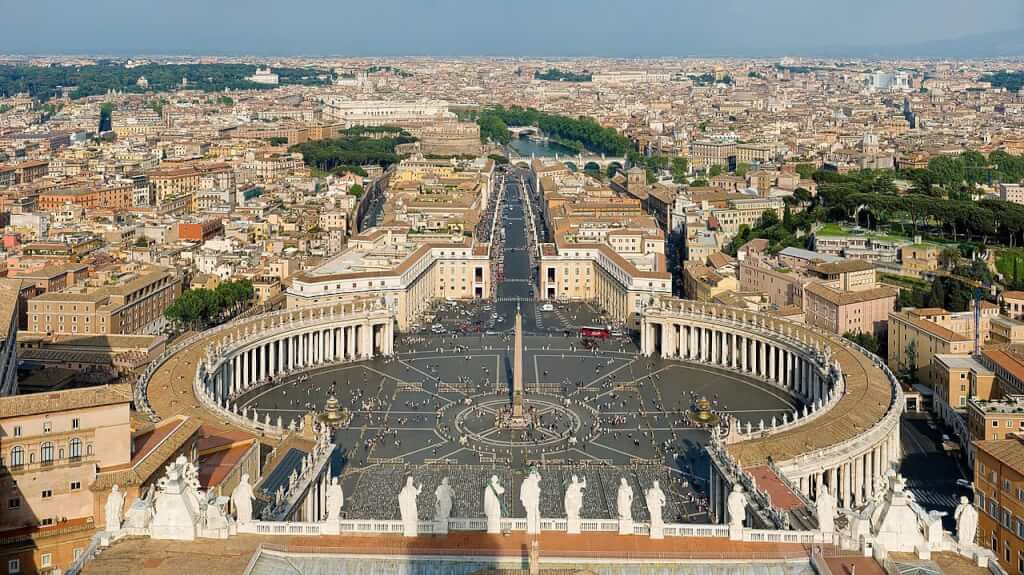
The view of St Peter´s Square from more than 425 feet high, from the Basilica’s massive dome.
How to Visit Vatican City and Experience Pope Francis’ Legacy
The Vatican welcomes millions of visitors every year, making advance planning essential. Early morning tours offer the best opportunity to experience the Vatican Museums before peak crowds arrive, while expert guides help bring centuries of history, and Pope Francis’ modern legacy, to life.
If you’re interested in understanding not just the art but the stories behind the world’s smallest country, a guided visit provides invaluable context that transforms your experience.
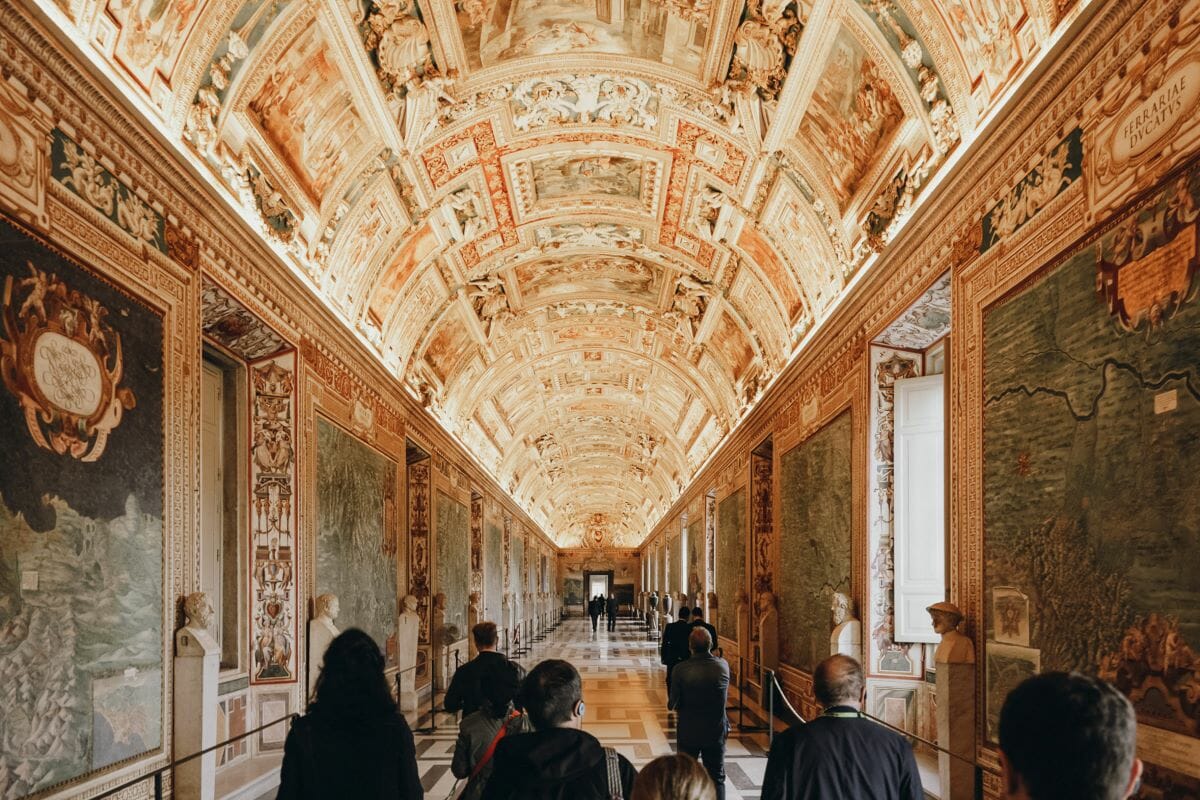
The Vatican Museums house an extensive collection of art and artifacts amassed by the Catholic Church over centuries.
FAQs
What is Pope Francis most remembered for?
Pope Francis is remembered for his humility, concern for the poor, environmental advocacy, financial reforms, and efforts to create a more welcoming and globally representative Catholic Church.
Can anyone attend a Papal Audience?
Yes. Papal Audiences are free and open to the public, although advance reservations are required due to high demand.
Is Vatican City worth visiting even if you’re not religious?
Absolutely. Vatican City is home to some of the world’s greatest artistic and architectural masterpieces, including St. Peter’s Basilica, the Vatican Museums, and Michelangelo’s Sistine Chapel ceiling, making it one of Rome’s essential attractions.
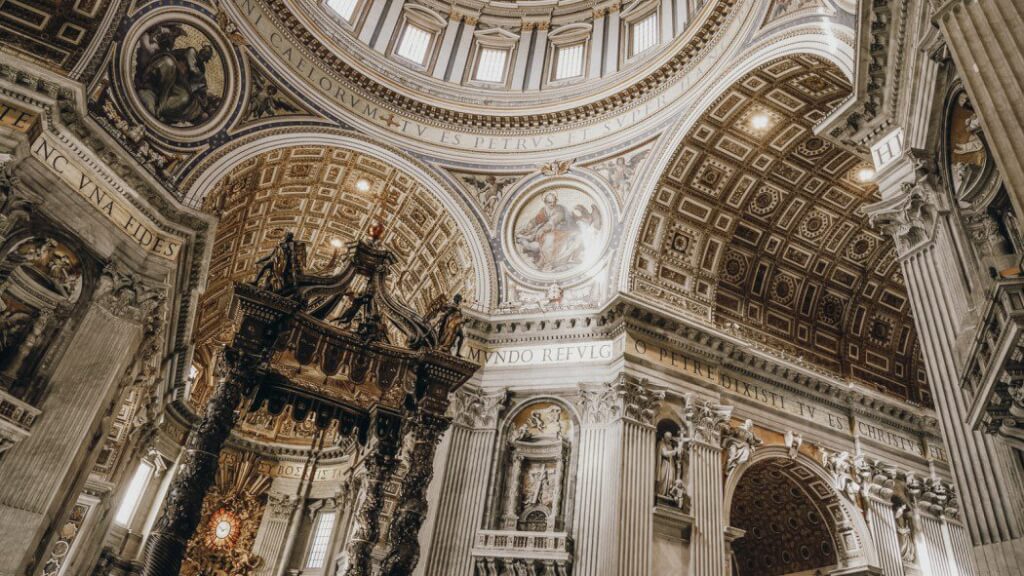
Marvel at the Bernini’s Baldachin inside St. Peter’s Basilica
Visit Vatican City and Discover the Legacy of Pope Francis
From the grandeur of St. Peter’s Basilica to the masterpieces of the Vatican Museums, every corner of Vatican City tells a story that spans centuries.
Whether you’re hoping to visit Vatican City, attend a Papal Audience, or simply gain a deeper understanding of the world’s smallest state, exploring with an expert guide brings these remarkable places to life. From early-entry experiences to exclusive Vatican city tours, Walks of Italy helps you discover the history, art, and enduring legacy of one of the world’s most fascinating destinations.
Tours include the Pristine Sistine Chapel tour – which gets you inside the Vatican Museums and Sistine Chapel before general opening time, or join our most exclusive experience: VIP Vatican Key Master’s Tour: Unlock the Sistine Chapel where you’ll have the Vatican Museums to yourself for two full hours as you enter with Key Master before dawn.

Book a Tour

Pristine Sistine - The Chapel at its Best
€89

1794 reviews

Premium Colosseum Tour with Roman Forum Palatine Hill
€56
850 reviews
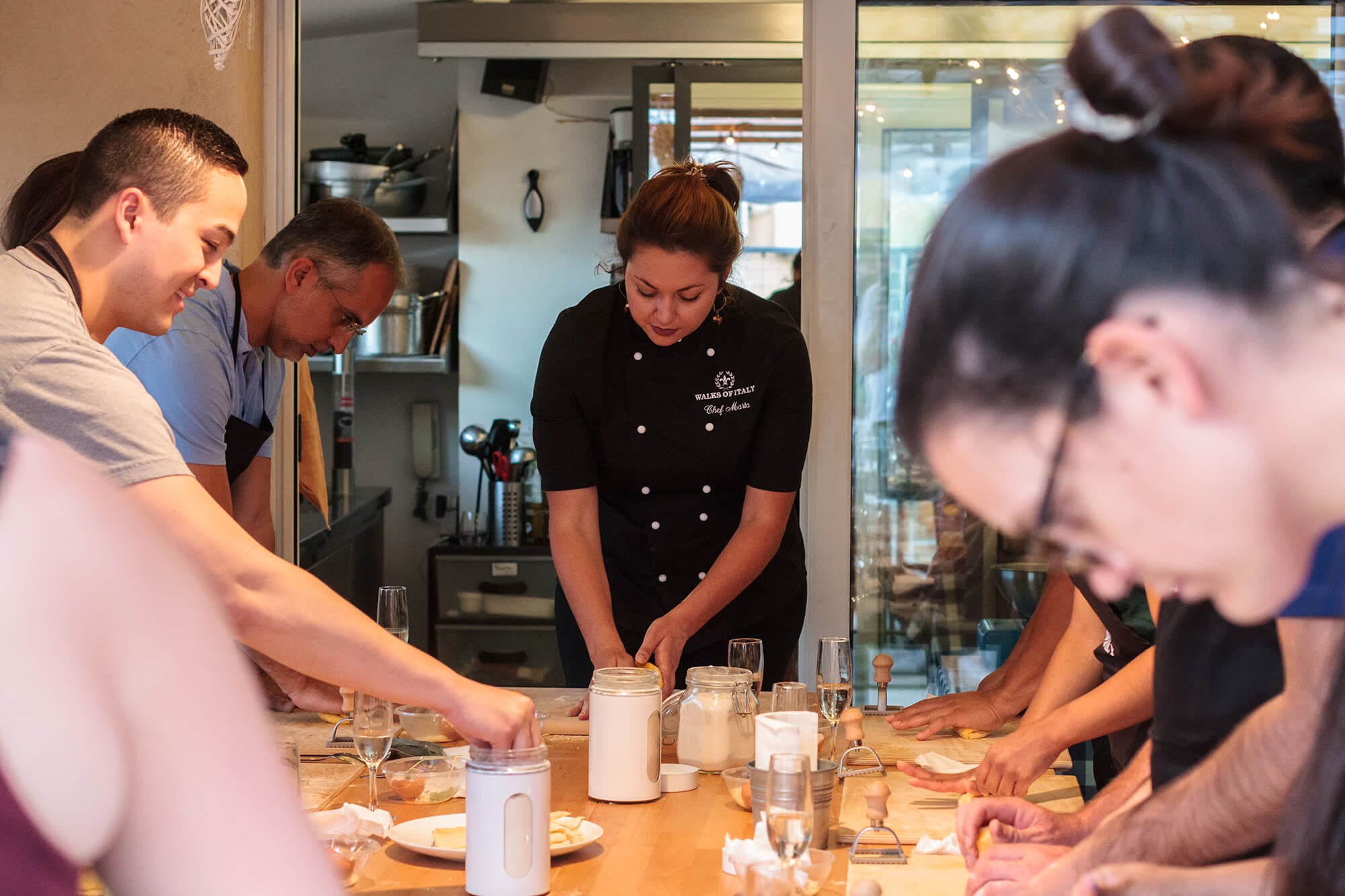
Pasta-Making Class: Cook, Dine Drink Wine with a Local Chef
€64
121 reviews

Crypts, Bones Catacombs: Underground Tour of Rome
€69
401 reviews

VIP Doge's Palace Secret Passages Tour
€79
18 reviews

Legendary Venice: St. Mark's Basilica, Terrace Doge's Palace
€69
286 reviews
Follow us
Stay up to date with travel tips, local insights and all things Italy on our social channels!


Subscribe to our Newsletter
Get curated Italy travel tips delivered to your inbox!

