




First Trip to Rome: Discover Our Top Rome Travel Tips
April 26, 2026
Teeming with history, layered with culture, and full of beautiful contradictions, the city can feel overwhelming if it is your first trip to Rome. But with the right approach, it quickly becomes one of the most rewarding cities in the world to explore.
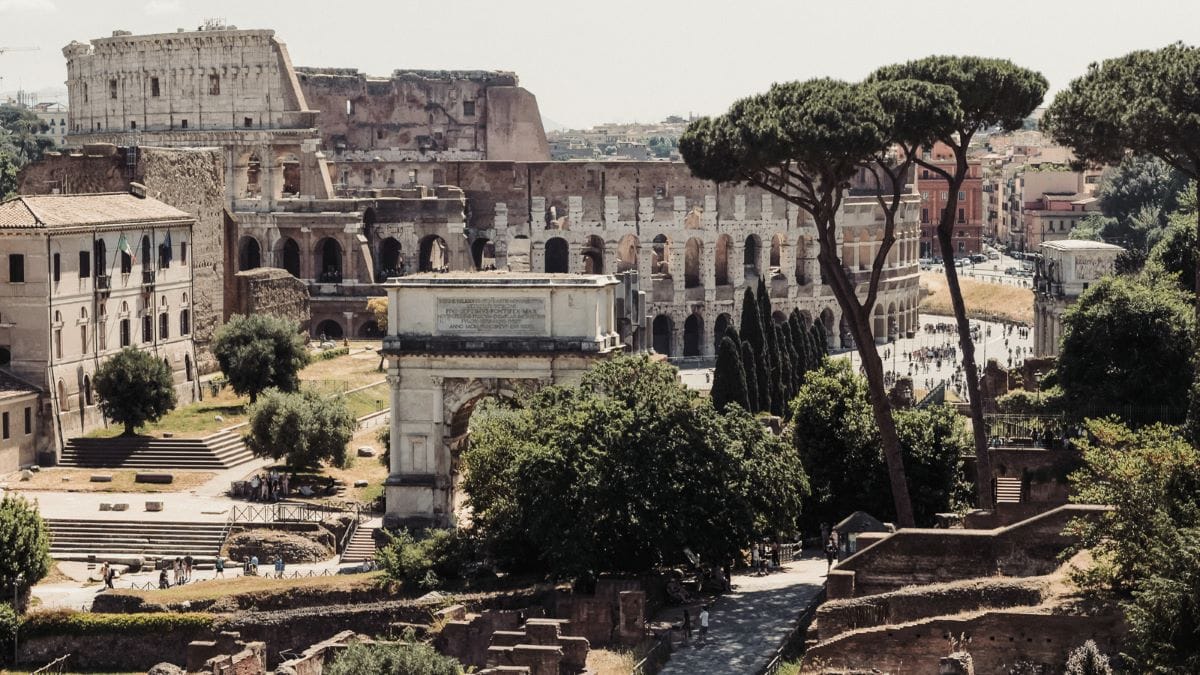
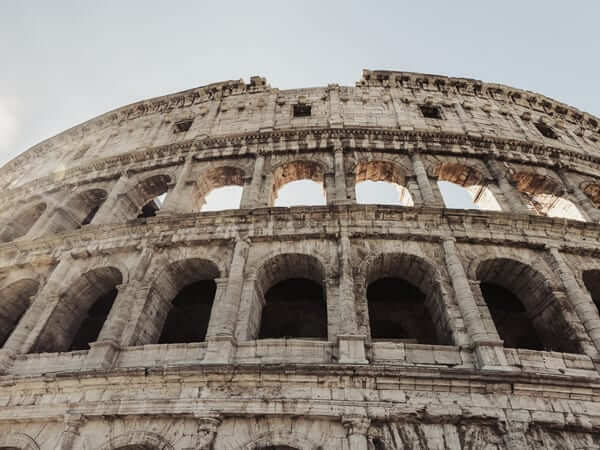
Rome’s Colosseum holds court of the city.
Top Tips for your first trip to Rome
What comes to mind when you think of Rome?
When your time in a new city is limited, it’s normal to fear that your all-round experience will be equally limited, but when it comes to Rome, there’s no need to panic about ‘fitting it all in’.
Ask yourself what comes to mind when you think of Rome. Is it the popes, the paintings, the piazzas, and the Pantheon? Or maybe it’s the the Colosseum, the catacombs and the cobbled streets? Depending on which cultural touchstones take personal precedence, you can easily allocate certain time slots – or indeed entire days – and then sightsee accordingly! It really can be as simple as that!
Plan Your Visit By Area
As you can see, the key to enjoying your first trip to Rome is not trying to “see everything,” but planning smartly. You’ll be pleased to hear that, unlike some sprawling capitals, Rome is surprisingly walkable, with many of its most famous sights clustered into distinct neighbourhoods.
A great strategy for your first trip to Rome is to divide your itinerary into three days, each focused on a different area or theme, this helps you avoid criss-crossing the city and makes your experience far more relaxed and enjoyable. For example, the itinerary below show how you can split your visit into 3 days, to see a combination of the biggest attractions and the general cultural hub of the city.
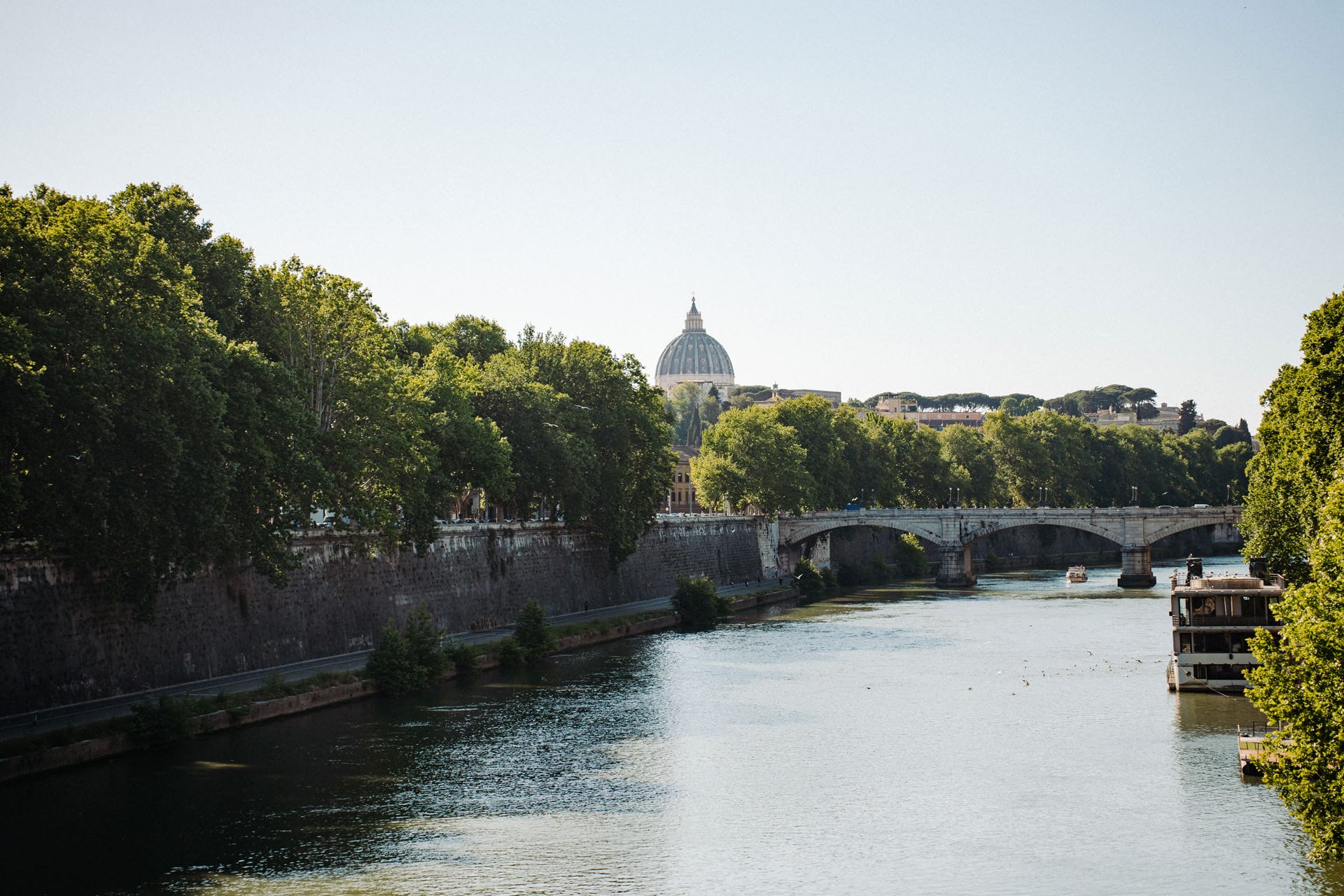
Rome is a stunning city, with an abundance of activities, options and views!
Day 1: Ancient Rome & the Colosseum Area
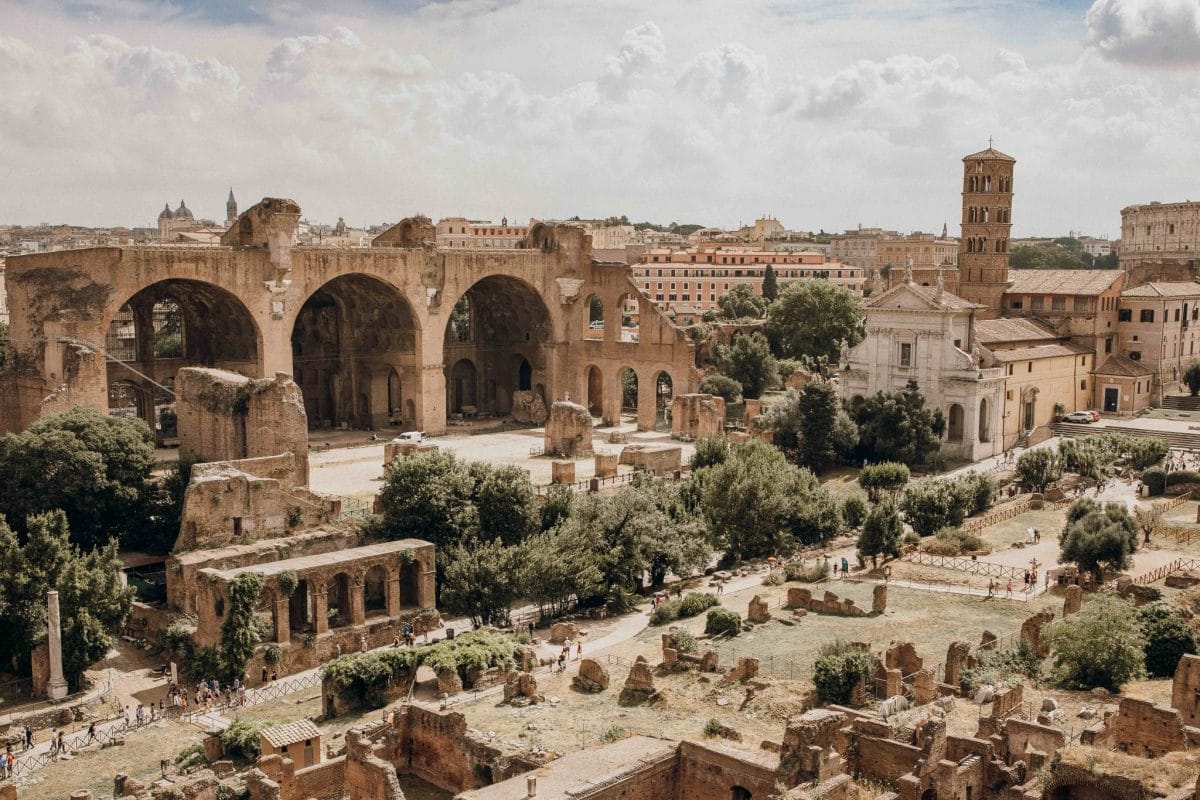
Start your adventure in Rome by stepping back in time. Begin around the Colosseum, Roman Forum, and Palatine Hill. This is the heart of ancient Rome and an unforgettable introduction to the city’s history. Arrive early to beat the crowds and the heat, especially in warmer months. From there, you can stroll along Via dei Fori Imperiali, taking in the ruins, before heading towards Capitoline Hill for one of the best views over the Forum. In the afternoon, you can go to the Monti neighbourhood, a charming area filled with small cafés, boutiques, and local restaurants, perfect for a relaxed dinner after a day of sightseeing.
Day 2: Historic Centre & Baroque Rome
Your second day of your trip should focus on the Centro Storico, the city’s historic centre and one of the most beautiful areas in Europe. This is where you’ll find iconic landmarks like the Pantheon, Piazza Navona, and the Trevi Fountain, all within walking distance of each other. The joy of this area is in wandering: turn down side streets, stop for a coffee, and soak up the atmosphere. Be sure to visit some of the city’s incredible churches along the way, many are free and just as impressive as major attractions. This is also a great area for an evening passeggiata (stroll), when the city feels at its most magical.
Day 3: Vatican City & Trastevere
Dedicate the final day of your first trip to Rome to Vatican City, home to St. Peter’s Basilica and the Vatican Museums. Booking tickets in advance is essential here to avoid long queues. After exploring the Vatican, cross the river into Trastevere, one of Rome’s most characterful neighbourhoods. With its cobbled streets, colourful buildings, and lively atmosphere, it’s the perfect place to slow down and enjoy a long lunch or dinner. This area offers a more local feel and is ideal for ending on a relaxed, authentic note.
By structuring your itinerary this way, your first trip to Rome becomes far more manageable—and far more memorable.
Insider Tip: For a smoother experience consider taking a private tour in Rome, as these allow you to explore at your own pace.
Research the Best Place to Stay
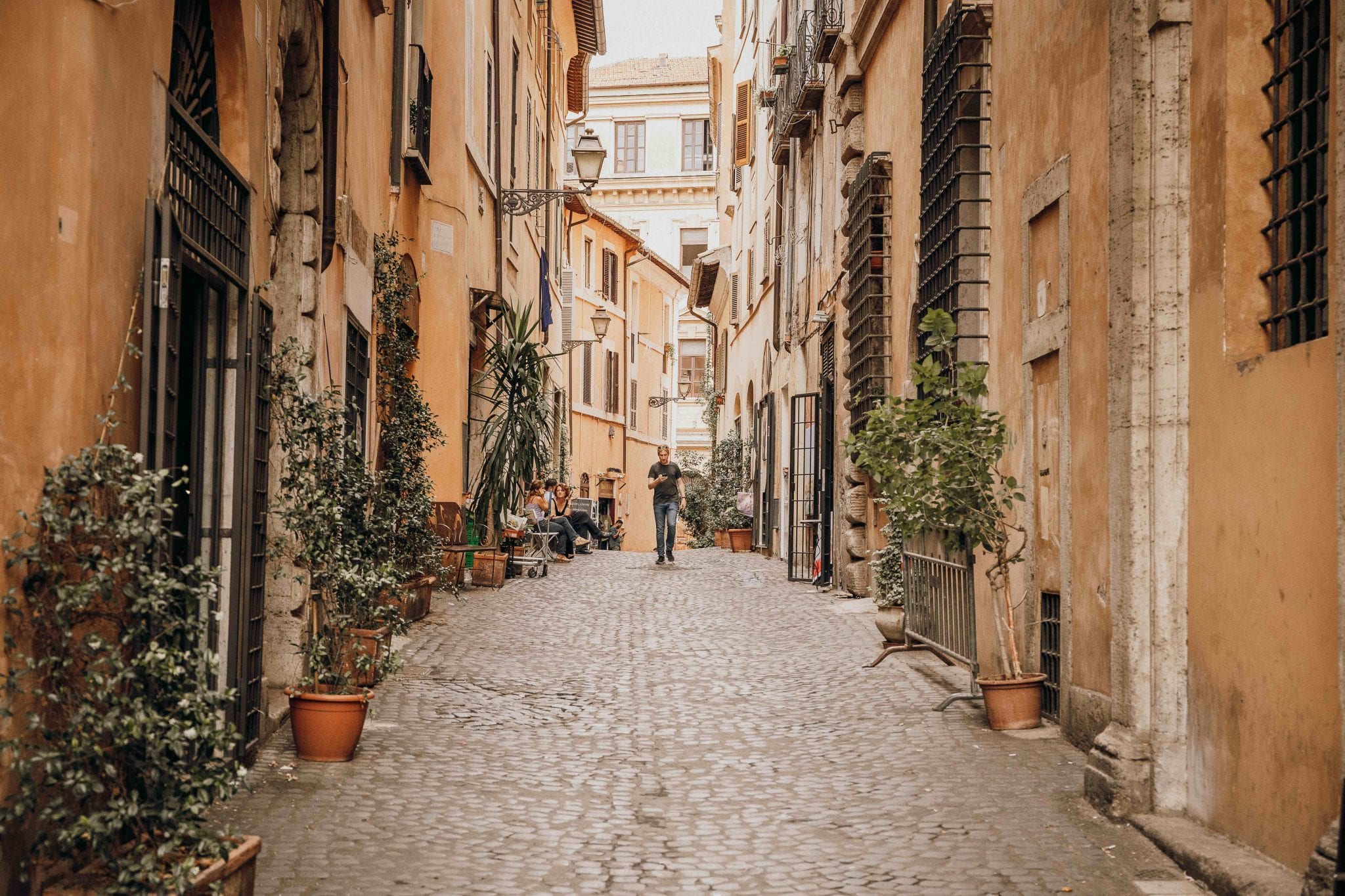
When it comes to visiting a new city, one of the first questions that arises is the matter of accommodation. Where you choose to stay can often make or break a trip, depending on your needs and wants. Too far from the hustle and bustle of a city, and you run the risk of isolating yourself. Too close to the centre, and you may struggle with noise pollution among other things. Indeed, seasoned travellers know that finding the perfect balance in terms of accommodation is an art, and it largely depends on what you want from your trip.
Ahead of your trip to the Eternal City, you will have likely familiarised yourself with well-known neighbourhoods including Trastevere, the Jewish Quarter, and Testaccio, but what exactly can you expect from them and others?
Trastevere
Let’s start with Trastevere; one of the liveliest neighbourhoods in the Italian capital, it’s also one of the most popular areas in the Eternal City. Known for wallet-friendly accommodation, enticing eateries and a variety of bars, Trastevere is a hive of activity and certainly worth considering as a base if you enjoy being in the midst of the action while on vacation!

Cheers to spritz and good times.
Jewish Quarter
Moving on to the Jewish Quarter! If you tend to gravitate towards slightly less hectic areas, but still appreciate a charming, bustling atmosphere, opting for accommodation in the Jewish Quarter may be the best move for you. Teeming with must-see historical landmarks, time in the Jewish Quarter guarantees an authentic Roman experience!
Testaccio
Heard of Testaccio? If not, that might be because it’s one the least tourist-oriented areas of Rome which, as we all know, is a major plus among many visitors to a new city! Located in the 20th rione of Rome, the area is known for its vibrant nightlife while also giving more than a passing insight into the edgier side of the Eternal City.
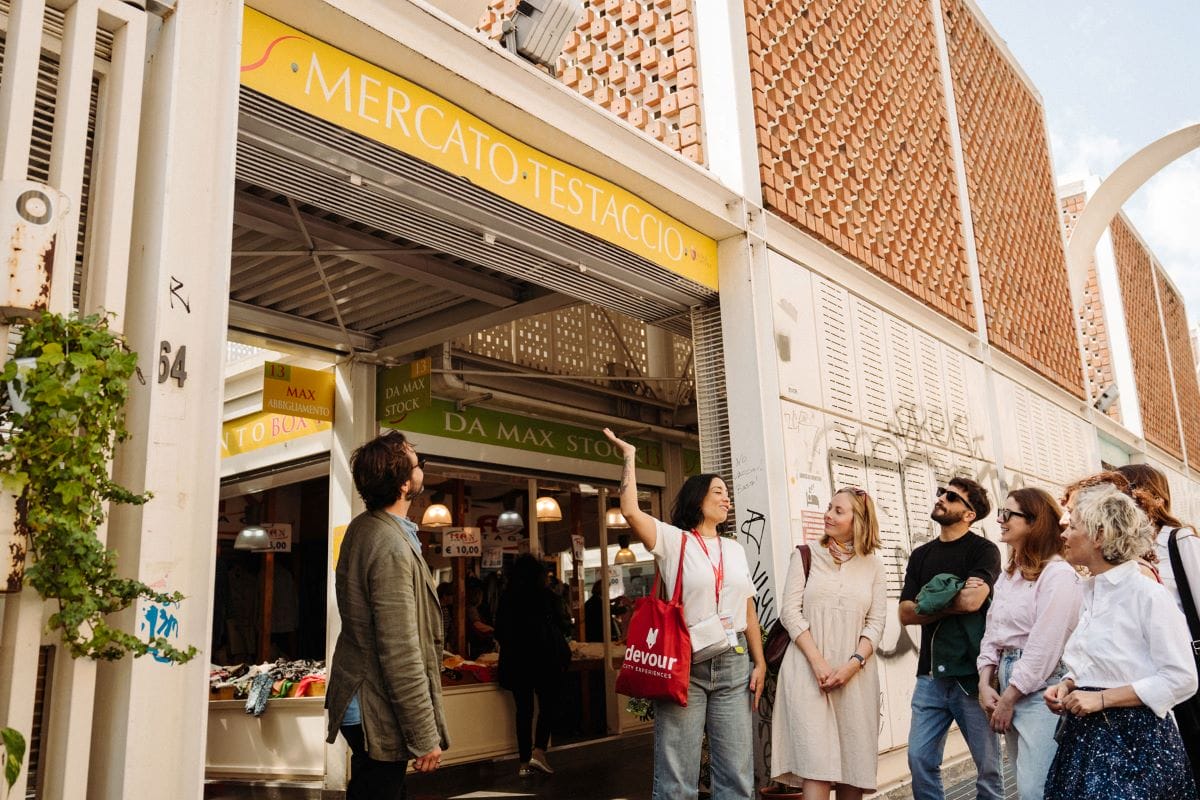
Head to Testaccio’s market to get insight into the best of Roman cuisine.
Quartiere Coppedè
And what about Quartiere Coppedè? When it comes to neighbourhoods in Rome, Quartiere Coppedè is every fantasy fan’s ideal daydream, but interestingly, it isn’t a regular feature on the well-worn tourist track. While not far from central Rome by public transport, the area still feels ever so slightly hidden, utterly enchanting in its aesthetic and the perfect spot for the architectural buffs among us to enjoy some R&R in Rome.
Prati
Located near the Vatican, the Prati neighborhood is often associated with the finer things in life. Think spacious tree-lined avenues, elegant buildings and an array of high-end bars and restaurants. Oh, and if exploring a city’s selection of designer stores is always high on your list of priorities, it’s definitely worth making Prati your base during your time in the Eternal City!
Insider Tip: Read more on this topic in our guide on where to stay in Rome!
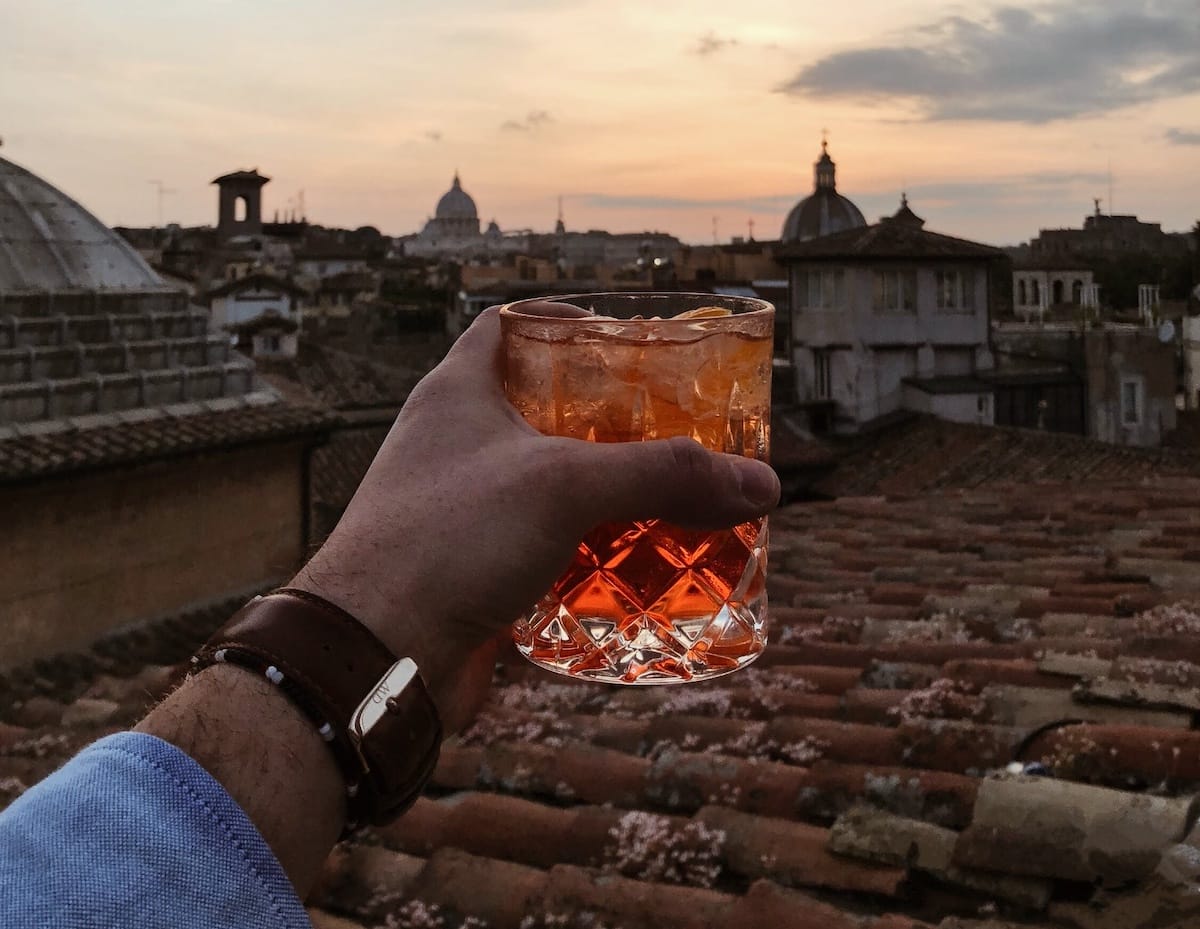
Enjoy a cocktail from one of Rome’s extraordinary rooftops. Photo credit: Vincent Rivaud
Select Seasonal Activities for the Best Experience
Timing plays a huge role in shaping your first trip to Rome.
Summers are now extremely hot, often exceeding 35°C, so plan early morning sightseeing, long lunches, and evening strolls, just like locals do.
Spring and autumn offer the best balance of weather and manageable crowds, making them ideal for a first trip to Rome. The weather is not as demanding, and the queues for attractions and the best restaurants are usually shorter.
Winter, meanwhile, is quieter and perfect if you prefer fewer tourists and a slower pace. Its also stunning to see the streets decorated with lights and decorations, and to visit the Christmas markets
No matter the season, layered clothing options and comfortable shoes are essential, Rome’s cobbled streets are beautiful but demanding.

The key point is to dress for the season, and bring comfortable shoes, you will walk a lot when you visit Rome!
Practical Rules and Cultural Etiquette
There are a few practical rules and cultural tips every traveller should know before their first trip to Rome.
Respect local regulations
Sitting on monuments like the Spanish Steps, jumping into the water and/or swimming in fountains, or sometimes even eating in restricted historic areas can result in fines.
Insider tip: Familiarise yourself with local laws before you to go, to avoid stressful situations while you are there! Read more: Surprising Ways to Get in Trouble in Italy
Tipping
Tipping in Italy is neither mandatory nor expected, but if you do decide to do so while visiting Rome, the gesture is a very clear indicator that you appreciated the service provided.
Tipping is modest and optional—rounding up the bill or leaving small change is perfectly acceptable. As many of us like to tip, or are, at the very least, accustomed to doing so, it’s worth remembering that different etiquette applies depending on the service provided.

Tipping is usually not expected, but if you have had a spectacular meal with amazing service, feel free to leave a little extra when its time to pay the bill.
Stay aware
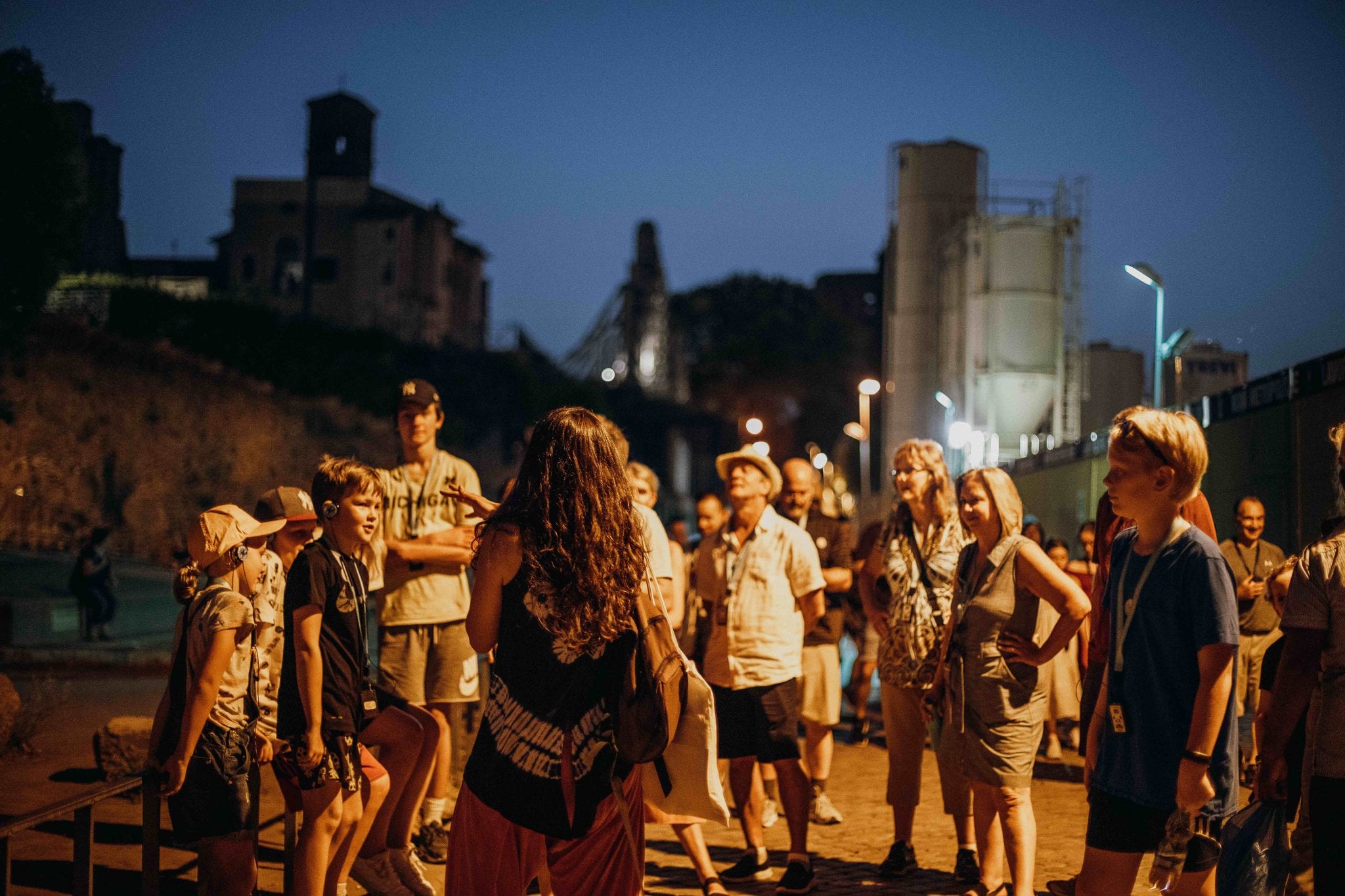
Knowing the general etiquette means you can relax and go with the flow when you are actually there!
Eating and Drinking Recommendations
In recent times, Rome has come in for intense criticism among visitors – and managed to make global headlines in the process – due to the excessive restaurant bills presented to unassuming tourists dining out in the Italian capital. Think lunches which cost in excess of €400 and you’ll get the idea!
Nevertheless, it is actually very easy to eat and drink incredibly well in Rome – indeed, just like a local – without breaking the bank at all! All it requires is the inclination to meander off the city’s main streets and into the laneways and side streets which house some of Rome’s most authentic and local-loved eateries! It’s as simple as that!
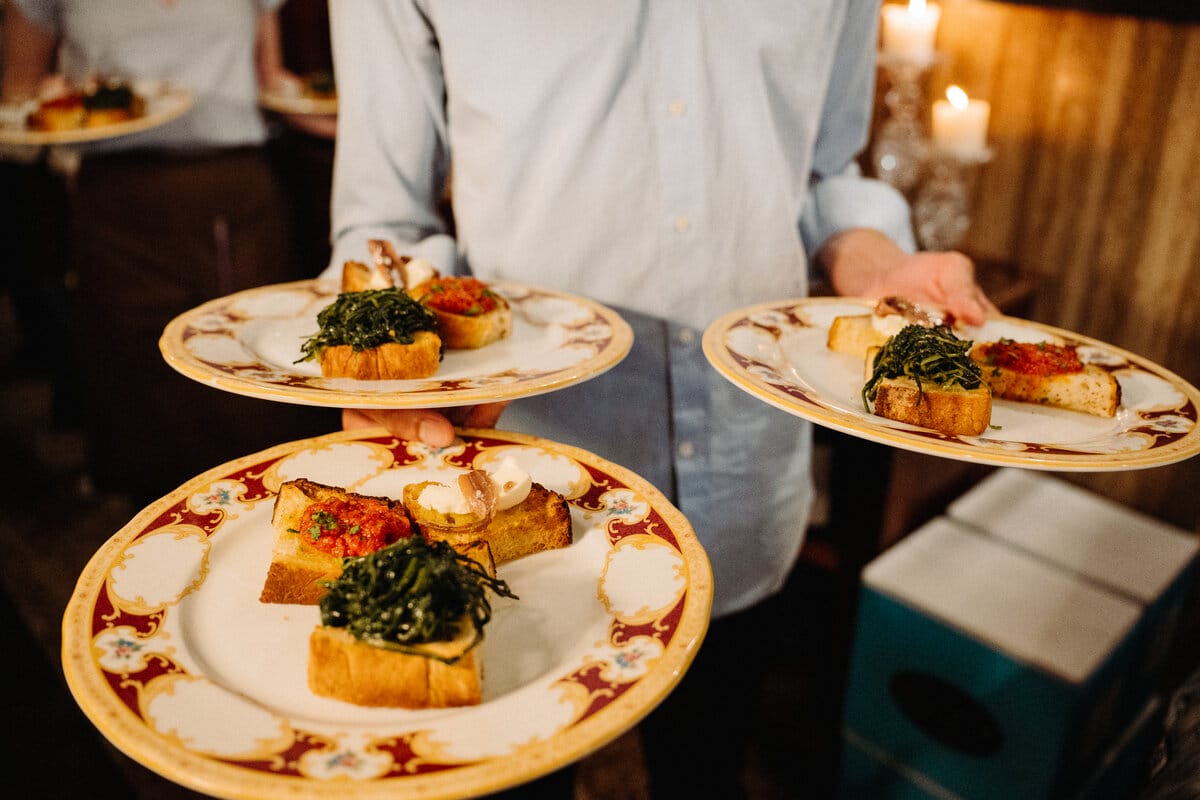
Sample a host of different tastes and flavours that Rome is famous for!
Typical Dishes to Eat When in Rome
Roman cuisine is simple, seasonal, and deeply rooted in tradition, with recipes that rely on just a handful of high-quality ingredients. If you want to eat like a local, you can discover 25 Roman dishes to eat, when in Rome, which shows you what to look out for and also what the locals eat, which helps you avoid the typical tourist traps! It’s worth getting familiar with the city’s traditional dishes. Knowing a few key names and what to expect will make ordering far more rewarding.
- Start with classic pasta dishes that define the city: cacio e pepe (pecorino cheese and black pepper), carbonara (egg, pecorino, guanciale, and pepper—no cream), amatriciana (tomato, pecorino, and guanciale), and gricia (often considered the “ancestor” of carbonara, without egg).
- For something more local, look out for supplì – fried rice balls with a gooey mozzarella centre – perfect as a quick street food snack. Another must-try is carciofi alla romana (Roman-style artichokes, braised with herbs) or carciofi alla giudia (crispy fried artichokes from the Jewish Quarter), both of which are seasonal but unforgettable.
- Meat lovers might enjoy saltimbocca alla romana (veal with prosciutto and sage) or abbacchio (roast lamb), while more adventurous eaters could try traditional “quinto quarto” dishes like trippa alla romana (Roman-style tripe).
- To finish, don’t skip dessert. Classics like tiramisù and gelato are everywhere, but also keep an eye out for maritozzo, a soft bun filled with whipped cream, often enjoyed for breakfast.
Ultimately, eating well on your first trip to Rome comes down to curiosity and a willingness to try local specialities. Step away from tourist menus, learn a few dish names, and you’ll discover that food becomes one of the highlights of your time in Rome.
Insider Tip: or check out our guide on taking a food tour in Trastevere, which includes advice from seasoned travellers and local experts.
 How to indulge your tastebuds in Rome.
Go Beyond the Highlights on Your First Trip to Rome
While iconic landmarks are a must, some of the most memorable moments on your first trip to Rome come from exploring beyond them. You can visit Santa Maria Maggiore one of the city’s most stunning basilicas, or discover more of the best churches in Rome, many of which are free and far less crowded. If you’re looking for something different, explore these alternative things to do in Rome to uncover a more authentic side of the city. With the right balance of planning and spontaneity, your first trip to Rome will exceed expectations.
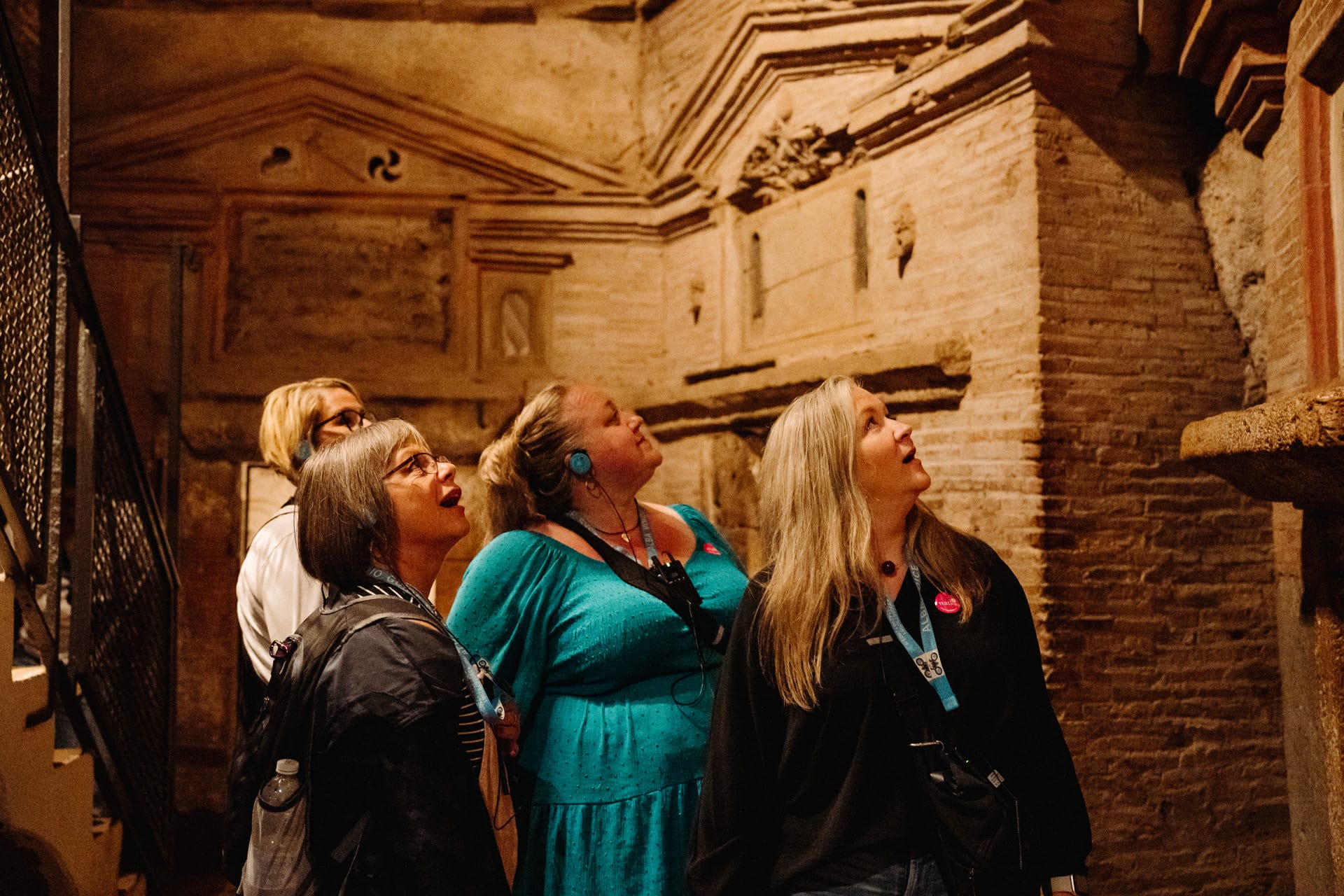
Discover a multitude of different things to do in Rome, from Catacombs to cooking classes!
FAQs – Your First Trip to Rome
How many days do I need for a first trip to Rome?
Ideally, 3–4 days will allow you to see the main highlights without rushing, though a longer stay will give you time to explore more deeply.
What is the best way to get around Rome?
During your first trip to Rome, you’ll quickly realise that walking is often the best way to get around. many of the city’s top sights are closer together than they appear on a map. Exploring on foot also allows you to discover hidden streets, cafés, and piazzas that you might otherwise miss.
For longer distances, Rome’s public transport system includes buses, trams, and a limited metro network. The metro is useful for key routes (like Termini to the Colosseum or the Vatican), but buses are more extensive, though sometimes slower due to traffic. Check out our advice on how to travel by train in Rome.
Taxis are available but should be taken from official ranks or booked via apps, avoid accepting unsolicited rides and read our useful guide How to Take a Taxi in Italy Without Getting Ripped Off in advance!
Aa combination of walking and occasional public transport is usually the most efficient and enjoyable approach. You can get more and our useful blog guides.

Walking the city is a good way to discover the layout, but taxis are an option too!
Should I book restaurants in advance in Rome?
It’s a good idea to book restaurants in advance, especially for dinner and particularly in popular neighbourhoods like Trastevere or the historic centre. While casual trattorias accept walk-ins, the best local spots often fill up quickly, especially between 7:30pm and 9:30pm.
Booking ahead helps you avoid long waits or settling for tourist-focused restaurants with lower quality and higher prices. If you prefer flexibility, consider making reservations earlier in the evening or later at night, when availability is better.
A useful tip is to look slightly away from major landmarks for more authentic dining experiences—and once you find a great place, it’s worth reserving again for another night!
Do I need to buy tickets in advance?
Yes, booking tickets in advance is one of the best decisions you can make for your first trip to Rome. Major attractions like the Colosseum, Roman Forum, and Vatican Museums regularly sell out, especially during peak seasons (spring, summer, and early autumn).
Buying timed-entry tickets online not only guarantees your spot but can also save you hours of waiting in line. If you want a smoother, more informative experience, guided or small-group tours are worth considering, as they often include priority access and expert insights.
Even for free attractions like churches, it’s worth checking opening times in advance, as schedules can vary or change seasonally.
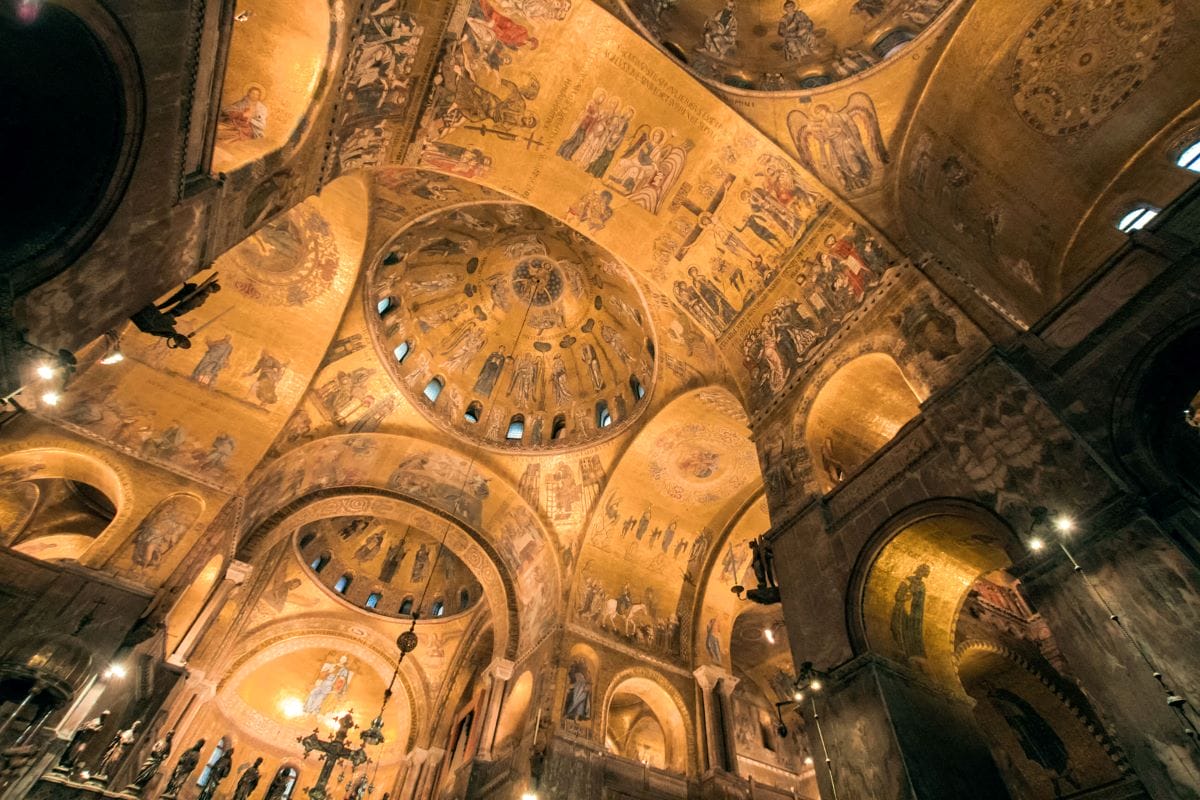
Don´t forget to look up when in Rome, there are incredible ceilings all over the city!
Ready to make the most of your first trip to Rome?
Exploring on your own is wonderful, but the right guided experience can take your visit to a completely different level. With 35 expertly designed tour options available, there’s something to suit every style of traveller, from intimate small-group experiences to tailored private itineraries. Whether you want to dive into the city’s history, enjoy immersive food tours, or even escape the capital on unforgettable overnight trips to the Amalfi Coast, you’ll find a tour that fits your plans perfectly.
Take a look at the full range of Rome tours and start planning an experience that will truly bring your first trip to Rome to life.

Book a Tour

Pristine Sistine - The Chapel at its Best
€89

1794 reviews

Premium Colosseum Tour with Roman Forum Palatine Hill
€56
850 reviews
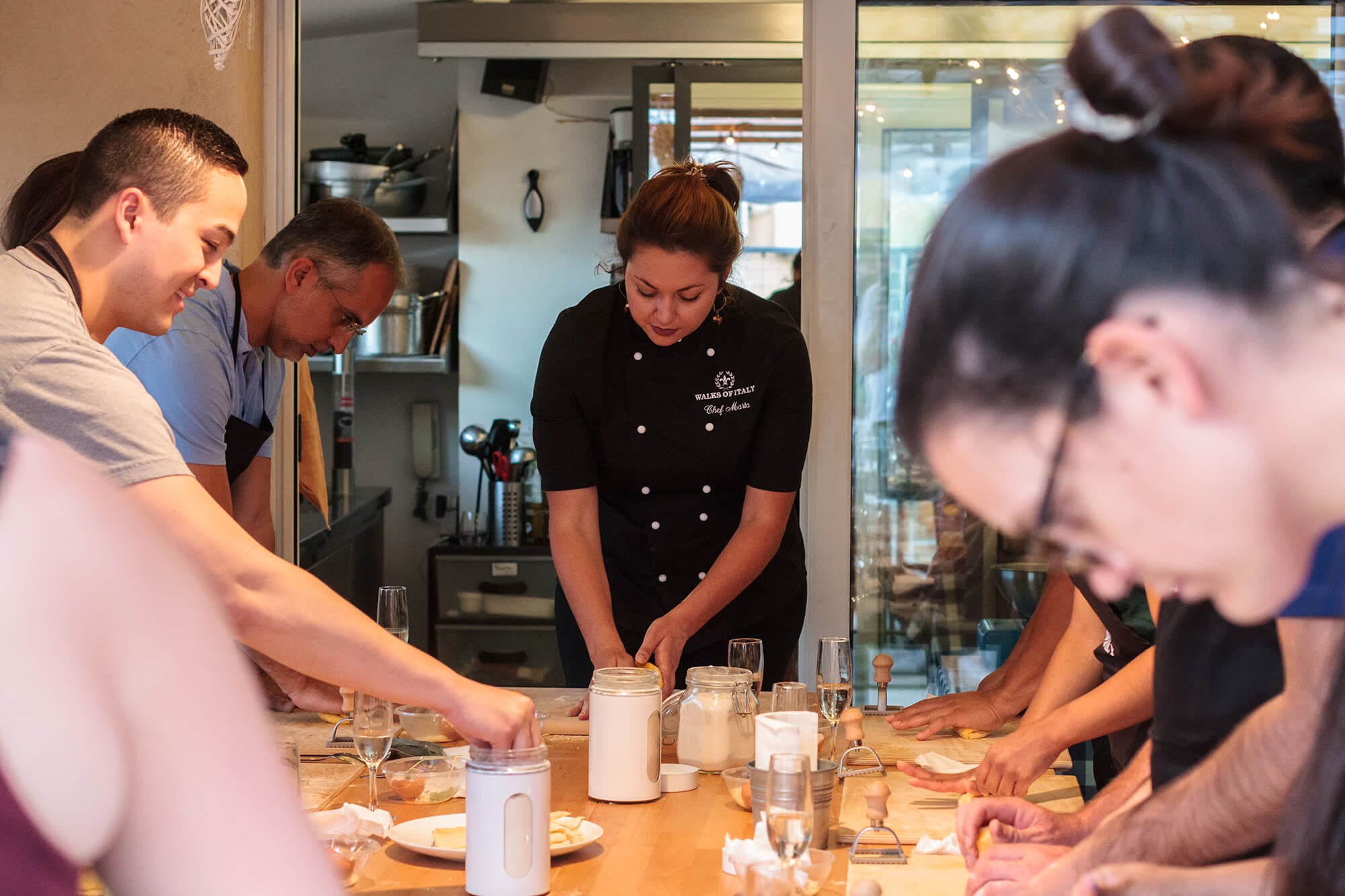
Pasta-Making Class: Cook, Dine Drink Wine with a Local Chef
€64
121 reviews

Crypts, Bones Catacombs: Underground Tour of Rome
€69
401 reviews

VIP Doge's Palace Secret Passages Tour
€79
18 reviews

Legendary Venice: St. Mark's Basilica, Terrace Doge's Palace
€69
286 reviews
Follow us
Stay up to date with travel tips, local insights and all things Italy on our social channels!


Subscribe to our Newsletter
Get curated Italy travel tips delivered to your inbox!

